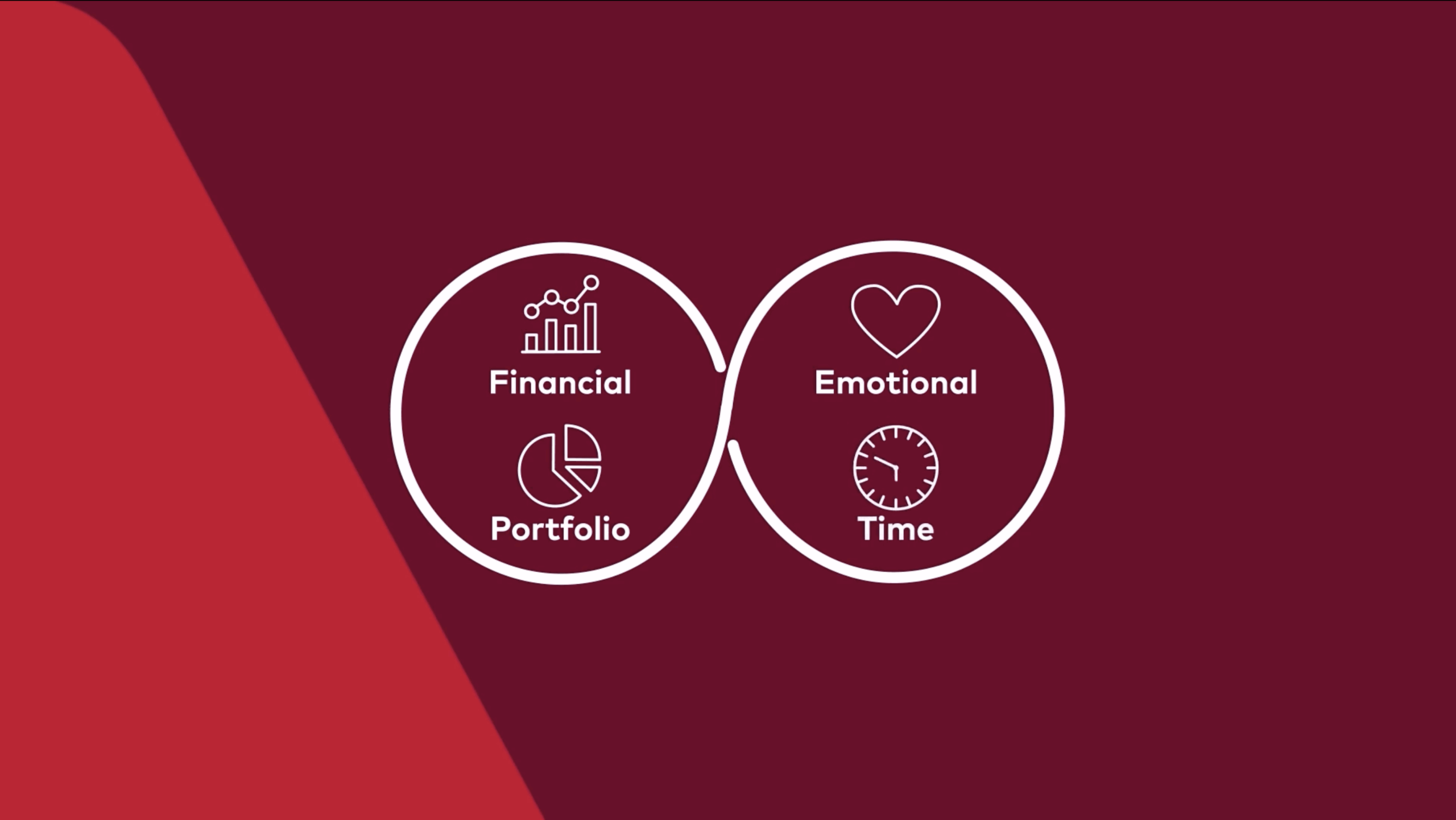
Behavioural economics is a powerful tool for financial marketers, helping you get under the bonnet of consumer behaviour and understand why people don’t always make financial decisions in the way we might expect.
Understanding these behaviours can help financial services marketers create campaigns that resonate, remove barriers to action and ultimately deliver better results.
Richard Shotton is an expert in the practical application of behavioural science in marketing and has demonstrated how understanding the psychological factors that influence decision-making can change your marketing strategy. For financial marketers in particular, these insights can be valuable because financial decisions are often complex, unfamiliar and easy for consumers to postpone.
Remove friction from financial decision-making
One of Shotton’s key tips is to eliminate friction in the decision-making process. As Nobel Prize-winning psychologist Daniel Kahneman says, “Make it easy.”
Barriers in the financial services sector can stop people from engaging with products. These could be anything from complicated application forms and lengthy processes to unclear communication and financial jargon.
By simplifying processes – streamlining online applications or making messaging clearer – you can make it easier for consumers to engage.
I’ve seen this first-hand when researching how to persuade savers to become investors. Many savers felt that investment companies’ websites were impenetrable, particularly because of the language being used.
This is an important distinction. The barrier wasn’t necessarily a lack of interest in investing. The way investment was being communicated could itself make the intended audience feel that the product wasn’t for them.
For financial marketers, removing friction therefore isn’t simply about reducing the number of clicks in an application journey. It can also mean removing the psychological and linguistic barriers that prevent someone from taking the next step.
Use social proof to build confidence
Removing barriers is only part of the picture. Behavioural economics also helps us recognise the influence of behavioural biases on consumer decision-making.
Consider social proof. People often look at what others are doing when deciding how they should behave themselves.
Instead of simply saying “9 out of 10 people trust us”, financial brands can find more natural ways to demonstrate that other people like their audience are already participating.
This can build consumer confidence and encourage action. When people see that others are participating – particularly people they identify with – an unfamiliar financial behaviour can begin to feel more normal.
For financial services marketers, however, social proof needs to be used carefully. The objective shouldn’t be to pressure consumers into financial decisions, but to help remove uncertainty and communicate relevant information in a way that builds confidence and trust.
Use commitment devices to encourage positive financial behaviours
Another behavioural principle financial marketers can consider is the use of commitment devices: strategies that help people follow through on something they intend to do.
These can be particularly relevant to long-term behaviours such as saving and investing, where immediate priorities can easily get in the way of future financial goals.
Personalised communications that remind consumers about their goals, progress or intended actions can help people stay on track. Used appropriately, personalisation can therefore do more than make marketing feel relevant; it can help consumers follow through on their own financial intentions.
How Nest applies behavioural insights to pension marketing
Nest is a useful example of how behavioural insights can be applied in financial services.
In an episode of The Growth Engine podcast, Nest’s Head of Marketing, Nick Laws, discussed several behavioural principles and how they’ve helped increase consumer engagement and growth.
1. Remove friction
Nest’s auto-enrolment model demonstrates the power of making participation easier. By simplifying the enrolment process for employers, Nest makes it easier for them to enrol employees into a pension scheme.
Reducing the effort required removes a significant hurdle and makes participation easier.
2. Leverage social proof
Nest’s messaging builds trust through inclusivity. By showing that employers of different sizes can participate in the pension scheme, it creates a sense of belonging and community.
It helps establish pension participation as a normal behaviour rather than something unusual or inaccessible.
3. Encourage commitment
Nest uses clear, customer-centric communication to help members understand their retirement savings.
By making information accessible and simple, Nest helps members understand their options and feel more confident about financial decisions. This clarity can help people remain engaged with their financial future.
How can financial marketers use behavioural economics?
Using behavioural economics in financial services marketing isn’t about finding psychological tricks that make consumers buy products.
It’s about understanding the real barriers, biases and behaviours influencing financial decisions – and designing communications and experiences around how people actually behave.
That distinction is particularly important in financial services, where trust, clarity and good consumer outcomes matter.
Here are three practical places to start.
1. Identify consumer pain points
Research what your target audience is struggling with. Surveys, interviews, user research and feedback analysis can all help.
Look beyond what consumers say they want and investigate where they actually hesitate, abandon a journey or fail to take action.
Once you understand those barriers, you can determine whether the problem lies with the product, process, communication or another aspect of the customer experience.
2. Match behavioural insights to the challenge
Once you’ve identified the barriers, consider which behavioural principles might help explain them.
For example, if consumers struggle to make a decision because they’re presented with too many options, simplifying the choice could make the decision easier to understand.
If people intend to save but continually postpone starting, you may need to think differently about how the journey helps them translate an intention into action.
Start with the consumer problem rather than choosing a behavioural bias first and trying to find somewhere to apply it.
3. Test and iterate
Run controlled tests of your behavioural strategies and measure what happens.
Look at relevant measures such as engagement, completion and conversion rates, but consider the quality of the outcome as well as the quantity.
Be prepared to iterate based on what you learn. Behavioural economics should provide hypotheses about how people might respond; research and testing tell you how your particular audience actually responds.
Behavioural economics isn’t a shortcut
To explore the subject further, Richard Shotton’s books The Choice Factory and The Illusion of Choice contain practical examples and advice that marketers can apply to their work. They explore the details of consumer behaviour and provide strategies that can be tested in campaigns.
But it’s not just about theory. Understanding the principles of behavioural economics is one thing; implementing them effectively in financial services is where the hard work begins.
The most valuable starting point is understanding your audience. Research their behaviours and barriers first, identify the behavioural principles that might explain them, and then test whether your intervention actually improves the experience and outcome.
If you need help applying behavioural insights to your financial services marketing, get in touch. Our team can help you understand your audience and translate those insights into communications and experiences designed around how people really make decisions.